The Irish Dance Party Dublin: Interactive Shows and Live Music
Most tourists in Dublin end up crammed into a noisy Temple Bar pub where someone is playing an acoustic guitar cover of Wonderwall for the third time that afternoon. If you walk along the river toward Wellington Quay instead, you will find something far rowdier and much more genuine. Upstairs in the pub, floorboards rattle under heavy shoe taps, fiddles shriek in sharp rhythm, and strangers bump hips while trying to figure out which foot moves first. This is the irish dance party dublin, and it is easily one of the most entertaining two-hour stretches you can book in the city center.
Instead of watching dancers from fifty rows back in an auditorium, you sit three feet from champion performers who spend the afternoon teaching you how to move. It is part live concert, part storytelling session, and part chaotic dance lesson. You do not need rhythm, and you certainly do not need special shoes. Here is what to actually expect from the experience, how to prepare, and why it beats sitting passively in a theater stall.
Book your irish dance show dublin experience:
What Actually Happens at The Irish Dance Party Interactive Show
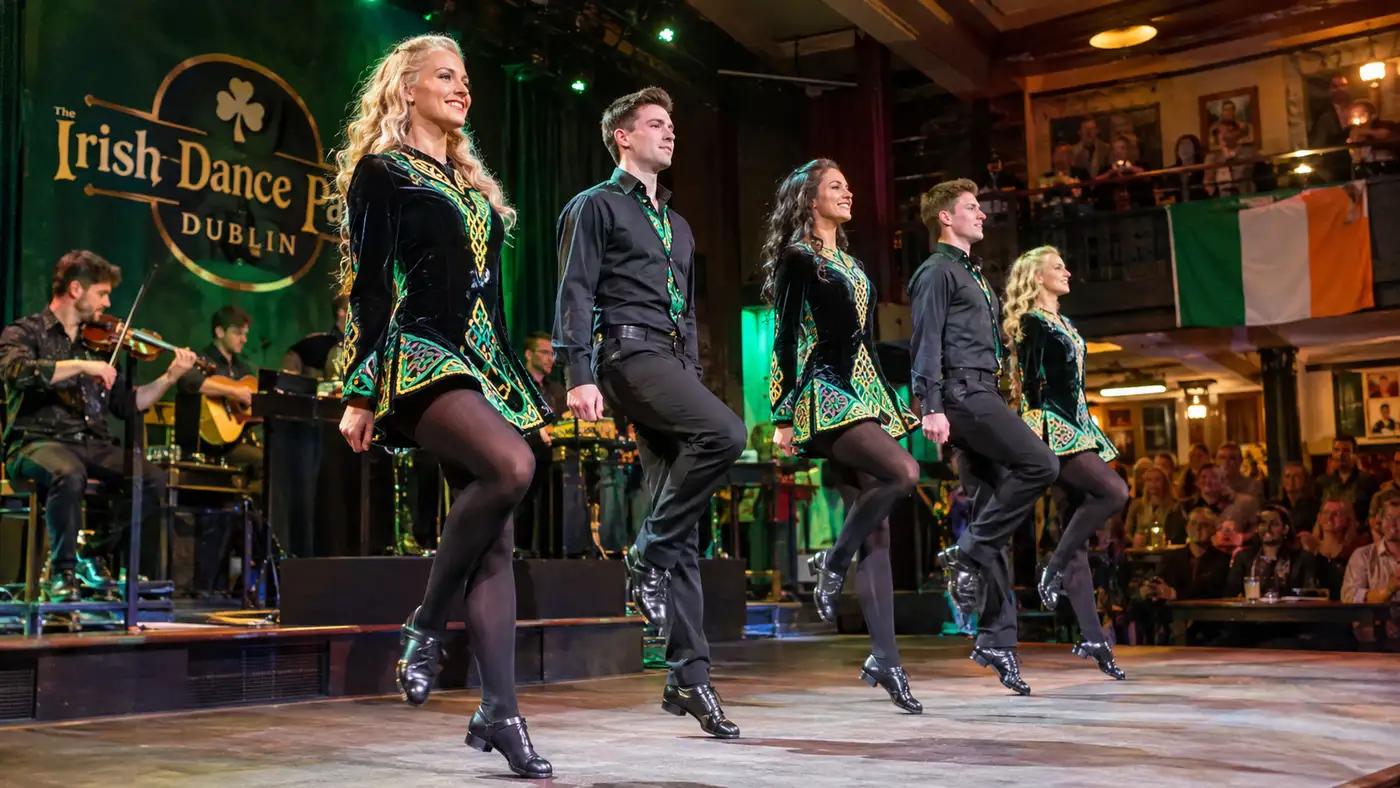
The doors open early, letting you grab a stool and order a drink before the music kicks off. The venue smells like spilled ale and old timber. It is intimate, fitting maybe 70 or 80 people at wooden tables angled toward a small, raised stage. There are no velvet ropes or stage lights blinding the performers. When the musicians walk on with a fiddle, a guitar, and a bodhrán drum, they sit down and start chatting with the front row like old neighbors.
The afternoon divides cleanly into three sections. First, you get a mini-concert of live traditional irish music dublin locals would nod along to, mixed with lightning-fast solo demonstrations by the dancers. Their feet move so fast in hard shoes that your eyes honestly cannot track the rhythm. Then comes the turn. The lead dancer takes the microphone, smiles with a slightly mischievous look, and announces that everyone in the room is about to stand up. Nobody gets a pass, not even the grandmothers sitting near the bar.
Pro tip: Wear flat shoes with smooth soles like leather loafers or worn sneakers, because rubber running shoes grip the timber floor too hard when you try to pivot.
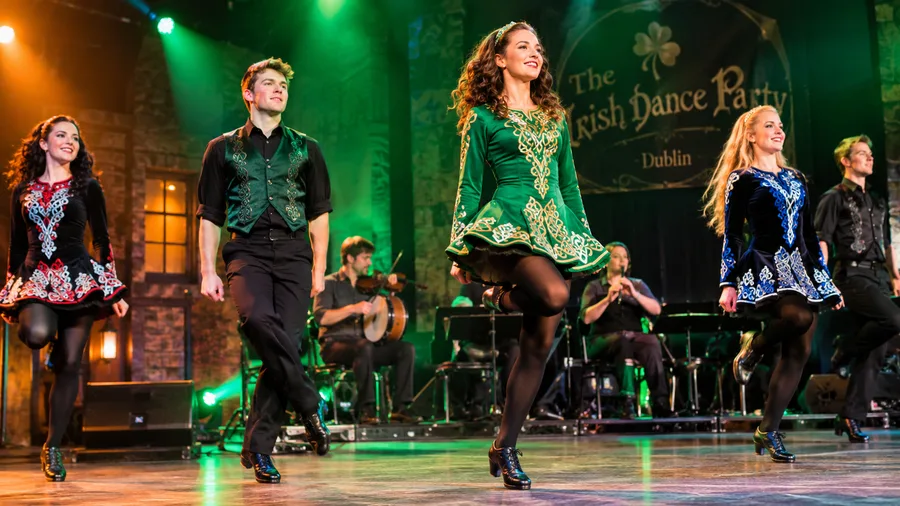
What follows is pure, unpretentious fun. The instructors break classic steps down into bite-sized counts of three. You stumble through a simple reel, laugh when your partner turns east instead of west, and realize after five minutes that your calves are on fire. It strips away all the stiff pageantry often tied to competitive irish dance. By the time the musicians pick up the tempo for a group céilí circle, total strangers are linking arms and spinning each other in lopsided circles until everyone collapses back into their chairs, out of breath and grinning.
The Music and Musicians Behind This Dublin Tradition
A lot of travelers arrive in Ireland expecting fiddles and flutes everywhere, but finding authentic traditional irish music dublin streets can be hit or miss. Half the pubs hire solo acts singing pop covers to satisfy rowdy tour groups. At this show, the music forms the spine of the entire afternoon, played on instruments that carry centuries of history behind them.
Between dance sets, the musicians unpack the stories behind the songs. You hear drinking ballads, rebel tunes, and jigs played on instruments that deserve a closer look:
- The Bodhrán: A round goatskin frame drum played with a two-headed wooden tipper, producing a heartbeat pulse that guides the dancer's hard shoes.
- The Uilleann Pipes: Sweeter and quieter than Scottish highland pipes, powered by a bellows under the elbow rather than the player's breath.
- The Tin Whistle: A simple six-holed metal pipe that sounds piercing and bright, capable of ornamenting melodies with trills and rolls.
- The Fiddle: Played with a rhythmic bowing style native to western counties like Clare and Sligo, heavy on bounce and swing.
Hearing live irish music dublin style in a small room has a physical weight to it. You feel the bass kick of the bodhrán in your ribs. The musicians joke between numbers, explaining how old laments were disguised as innocent tunes to dodge British bans. It never feels like a lecture. It feels like someone telling you a secret in the corner of a snug.
How the Irish Dance Party Dublin Compares to Big Stage Shows
Dublin gives you plenty of entertainment choices on any given weekend. If you want high-budget production, you can check out Riverdance in Dublin during its summer residency at the Gaiety Theatre. There are also full evening packages with three-course meals, which we break down in our guide to the best Irish dancing dinner shows in Dublin. The table below outlines how the irish dance party interactive show stacks up against typical alternatives across town.
| Show Type | Average Ticket Price | Duration | Audience Role | Atmosphere |
|---|---|---|---|---|
| The Irish Dance Party | €25 to €28 | 2 hours | Fully interactive, guided dancing | Pub attic, casual, very social |
| Traditional Dinner Show | €55 to €75 | 3.5 hours | Seated dining, observation | Banquet hall, structured |
| Major Theater Production | €40 to €95 | 2.5 hours | Formal theater seating | Polished, dramatic, grand scale |
| Standard Temple Bar Pub Session | Free (cost of pints) | Drop-in | Standing in crowded room | Loud, informal, unpredictable quality |
The appeal here is proximity. In an auditorium, the dancers are distant figures performing against stage backdrops. At the celtic dance party, you hear the breath catch in a dancer's chest after an aggressive thirty-second hornpipe. You see the sweat on their foreheads. That physical reality makes ireland traditional dance seem human and alive rather than preserved in glass.
Note: The room is located up a narrow flight of pub stairs with no elevator, so accessibility is limited for travelers with mobility devices.
Book your irish dance show dublin experience:
Learning the Footwork: What to Expect on the Floor
No one expects you to kick your legs above your eyebrows. The instructors are world-class performers who have toured with global productions, yet they know exactly how to teach uncoordinated novices without making anyone feel foolish. They start from a standing halt. Hands go on hips or stay by your sides in the traditional stiff posture, weight balances on the balls of your feet, and you practice shifting sideways on beat.
The class focuses on social céilí dancing, which was created for village gatherings where whole communities shared the floor. You learn movements like the sidestep, the swing, and simple archways where couples pass beneath each other's raised arms. It gets sloppy, fast. Someone always turns the wrong way into another pair, sparking bursts of laughter across the room.
I think the best part is how the room transforms. When you walk in, strangers sit quietly with their jackets zipped up, checking their phones. Forty minutes later, everyone has held hands with eight different people, exchanged names between heavy breaths, and cheered for an Australian guy in his sixties nailing a step solo. It works because it forces people out of their shell through shared clumsiness.
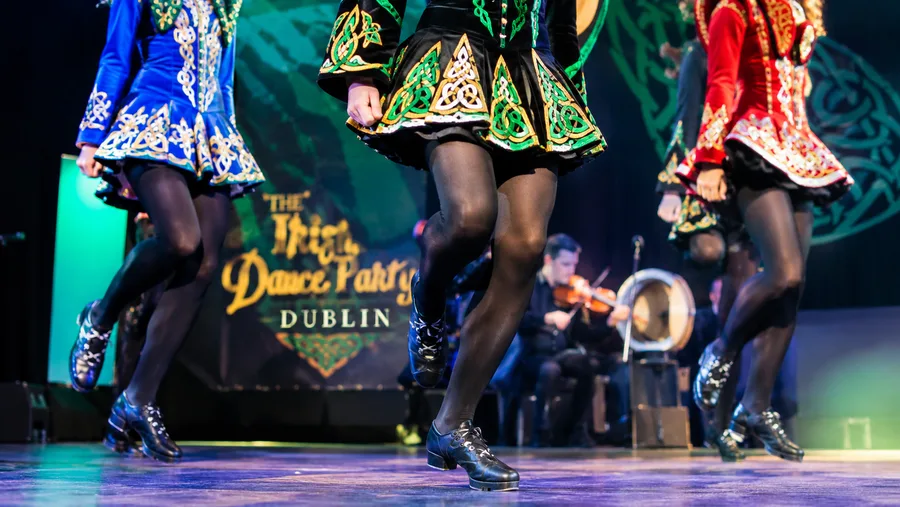
They also demonstrate the difference between soft shoes (light ghillies made of leather, similar to ballet slippers) and hard shoes (fiberglass-tipped heavy shoes that act like tap shoes). Watching a dancer execute a solo reel in soft shoes looks like walking on water, effortless and silent. Then they swap to heavy shoes, and the sound cracks through the room like pistol fire.
Who Will Love This Experience (and Who Might Not)
Not every attraction suits every traveler, and honesty matters when you are planning an itinerary with limited time in Dublin. This is an interactive session, which means your enjoyment depends partly on your willingness to look slightly silly for an hour.
- Solo travelers: An ideal icebreaker where you cannot avoid meeting the people beside you.
- Families with teenagers: Teens might grumble for the first ten minutes, but the communal energy usually wins them over once the group dance starts.
- Visitors short on time: At two hours in the early afternoon, it leaves your evening completely open for dinner bookings or late pub crawls.
- Anyone seeking quiet observation: If you hate being pulled onto your feet or prefer silent theater etiquette, this will feel overwhelming.
For those who prefer a relaxed afternoon, you can technically stay in your seat with a pint and just watch the lessons happen. Nobody drags you by the collar. Still, sitting out means missing the real magic of the event. Even the people who swear they have two left feet end up smiling once the music speeds up.
Frequently Asked Questions about the irish dance party dublin
Where does the show take place?
The party is hosted upstairs at The Merchant's Arch pub, located at 48-49 Wellington Quay in Dublin 2, just steps from the Ha'penny Bridge along the River Liffey.
Do I need any dancing experience to join in?
None at all. The steps are broken down into basic movements designed for absolute beginners, children, and adults who have never danced a step in their lives.
Can children attend the show?
Yes, children of all ages are welcome. It is a family-friendly daytime event, though minors must be accompanied by an adult since the venue is licensed to serve alcohol.
How long does the entire session last?
The full experience runs for approximately 2 hours, which includes live musical sets, professional solo demonstrations, group dance lessons, and breaks for drinks.
Quick Reference
- Location: The Merchant's Arch, 48-49 Wellington Quay
- Duration: 2 hours (afternoon showtimes)
- Cost: Around €25 to €28 for standard tickets
- Setting: Casual pub room with full bar service
- Activity level: Moderate, with simple social group dancing
Book your irish dance show dublin experience:
Is It Worth It?
Dublin has plenty of polished tourist spots that collect your entrance fee, herd you through a gift shop, and leave you feeling slightly detached from the city. This is not one of them. For less than thirty euros, you get top-tier musicians, world-class dancers, and two hours of genuine community fun inside a historic pub. You will leave with sore feet, a better ear for Irish tunes, and the memory of dancing a crooked reel with people from four different continents. Book your tickets ahead of time, leave your dignity by the coat rack, and jump in with both feet.
Read more about irish dance show dublin.